
In the fast-paced world of multi-product platforms, users often find themselves navigating a complex web of offerings that blur the lines between different services. This phenomenon, commonly referred to as boundary confusion, arises when consumers struggle to clearly distinguish the scope, function, and limitations of individual products within a larger ecosystem. In digital marketplaces, social media platforms, and integrated service suites, boundary confusion can lead to misaligned expectations, unintended behaviors, and diminished user satisfaction, creating challenges both for consumers and platform designers.
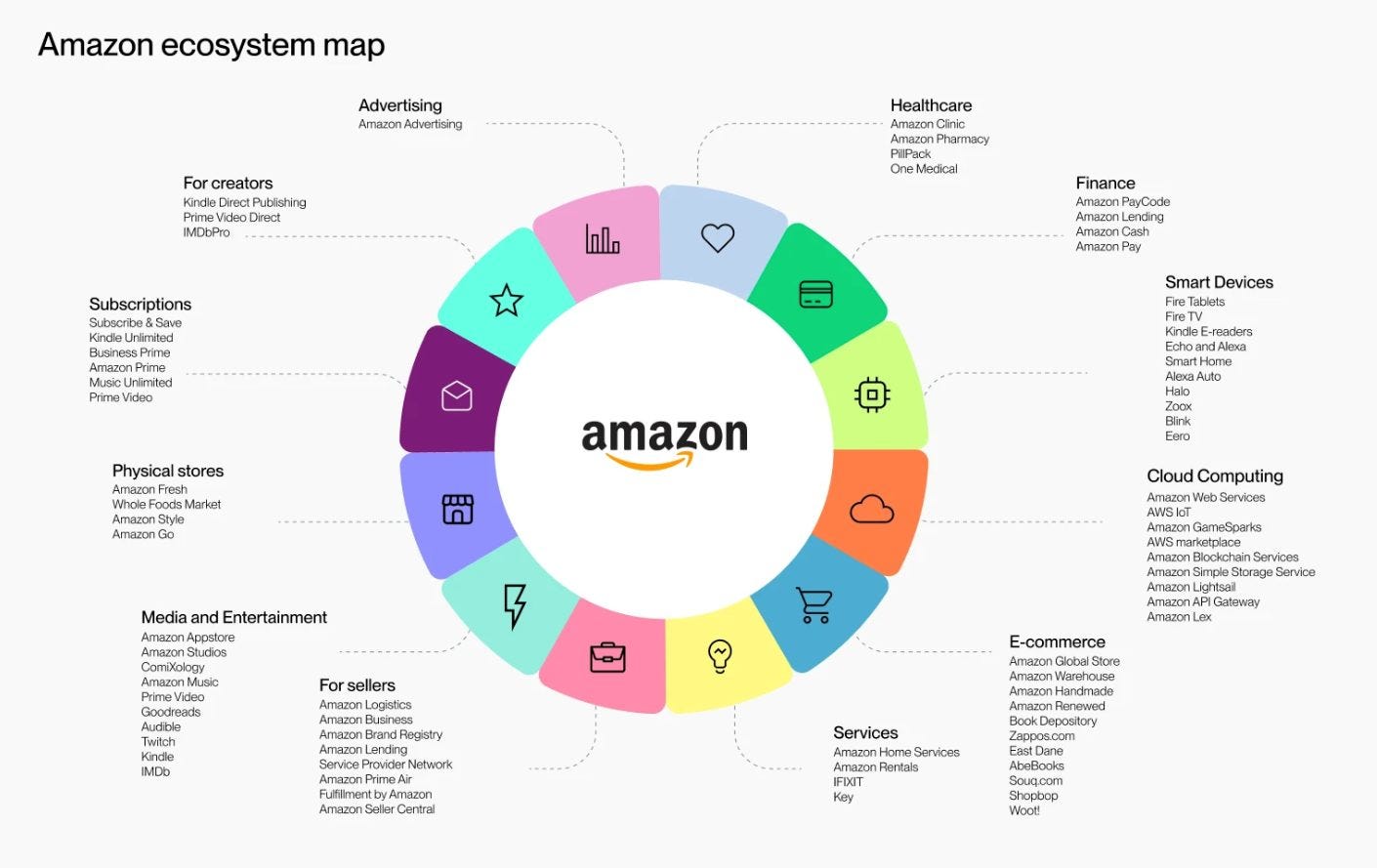
Boundary confusion typically manifests when users perceive overlapping functionalities among products, even when the underlying purposes differ significantly. For example, a platform that provides both a streaming service and a digital content marketplace may cause users to conflate the access rights, subscription rules, or content ownership policies of each service. The ambiguity surrounding these boundaries is often exacerbated by interface design choices, where similar visual cues, terminology, or navigation structures suggest continuity rather than separation. Users may assume that actions taken in one product automatically carry over to another, leading to frustration when limitations or restrictions emerge unexpectedly.
A critical driver of boundary confusion is the cognitive load imposed by multi-product environments. As the number of available services grows, the mental effort required to track product-specific rules, incentives, and functionalities increases. Users may resort to heuristic processing, relying on prior experiences or assumptions rather than systematically assessing the features of each product. While heuristics can speed decision-making, they often amplify the risk of misinterpretation. For instance, if a platform consistently offers a single sign-on experience across all products, users might incorrectly assume uniformity in privacy settings or subscription terms, even when each product maintains distinct policies.
Moreover, boundary confusion is not merely a cognitive phenomenon; it also reflects the tension between brand unity and product differentiation. Platforms often seek to present a cohesive ecosystem to strengthen brand identity and encourage cross-product engagement. Consistency in visual design, messaging, and feature layout can facilitate recognition and streamline navigation. However, excessive homogeneity can obscure the distinctions necessary for users to accurately understand the limits of each product. The challenge for platform designers is to strike a balance between maintaining a unified brand experience and clearly signaling the unique functions, rules, and boundaries of individual services.
Misunderstanding boundaries can have significant behavioral implications. Users may inadvertently engage in actions that are inappropriate or unsupported in a given product context, such as attempting to transfer benefits between services or expecting features that exist elsewhere within the ecosystem. This can lead to dissatisfaction, complaints, or reduced trust in the platform. In financial or transactional contexts, boundary confusion carries additional risks, as users might make decisions that result in unintended charges, incomplete transactions, or violations of policy. The cumulative effect of these experiences can erode loyalty, reduce engagement, and ultimately impact the platform’s bottom line.
Design interventions can mitigate the effects of boundary confusion. Clear labeling, contextual cues, and product-specific onboarding experiences help users develop accurate mental models of each product’s capabilities and constraints. For example, tooltips, banners, or visual separators can highlight the distinctions between products while maintaining a cohesive overall experience. Interactive tutorials or progressive disclosure techniques can gradually introduce complex rules and boundaries, reducing the likelihood of initial misinterpretation. Importantly, these interventions should account for the diversity of users’ prior knowledge and experience levels, providing scaffolding for novices while minimizing redundancy for experienced users.
Communication strategies also play a crucial role. Transparent and consistent messaging about product limitations, feature scope, and interdependencies can set realistic expectations and reduce the likelihood of boundary-related errors. Platforms that provide clear documentation, contextual help, and responsive customer support create an environment where users feel empowered to explore the ecosystem without fear of unintended consequences. Equally, proactive notifications or alerts can preempt mistakes by reminding users of product-specific rules before potentially problematic actions occur.
Another dimension to consider is the social context in which users encounter multi-product platforms. Peer recommendations, online reviews, and social media discussions can propagate both accurate and inaccurate perceptions of product boundaries. Users often rely on these external sources to inform their understanding, which can either reinforce or challenge their internal mental models. Platforms that monitor community discourse and address common misconceptions can strengthen boundary clarity and reduce the impact of misinformation on user behavior.
Boundary confusion is particularly salient in subscription-based or freemium models, where users may hold multiple accounts or memberships across overlapping services. In these scenarios, distinguishing between different tiers, benefit eligibility, and usage limits becomes essential. Platforms that integrate account management tools, personalized dashboards, or comparative feature matrices can help users navigate these complexities, ensuring that their expectations align with reality. Failure to provide such guidance may result in disengagement, abandoned subscriptions, or churn, particularly when users perceive the ecosystem as opaque or overly complicated.
Ultimately, the phenomenon of boundary confusion highlights the importance of deliberate design and strategic communication in multi-product platforms. Understanding how users conceptualize product limits, overlap, and interactions enables platforms to structure experiences that minimize ambiguity while maximizing engagement. As ecosystems continue to expand and interconnect, the need for clarity, differentiation, and contextual guidance becomes increasingly critical. Platforms that successfully navigate these challenges not only improve user satisfaction and trust but also foster long-term loyalty and sustainable engagement, turning a potentially confusing environment into a coherent, intuitive, and rewarding user experience.
The interplay between cognitive processing, interface design, brand strategy, and communication underscores the multidimensional nature of boundary confusion. Addressing it requires a holistic approach that considers how users perceive, interpret, and act within complex ecosystems. By foregrounding transparency, differentiation, and user-centered design principles, platforms can reduce the friction associated with multi-product interactions, empowering users to navigate the ecosystem confidently and purposefully. This, in turn, positions the platform to thrive in a competitive landscape, where clarity and user comprehension are as vital as feature richness and innovation.



Leave a Reply