
Continuous interaction in any digital environment, especially in platforms where users engage repeatedly over extended periods, presents unique challenges regarding workflow fatigue. This fatigue is not merely physical but cognitive and emotional, arising from prolonged engagement, repetitive patterns, and the mental load associated with sustained attention. Recognizing the mechanisms behind workflow fatigue allows designers and developers to create interfaces and experiences that preserve user attention, reduce stress, and promote long-term satisfaction.
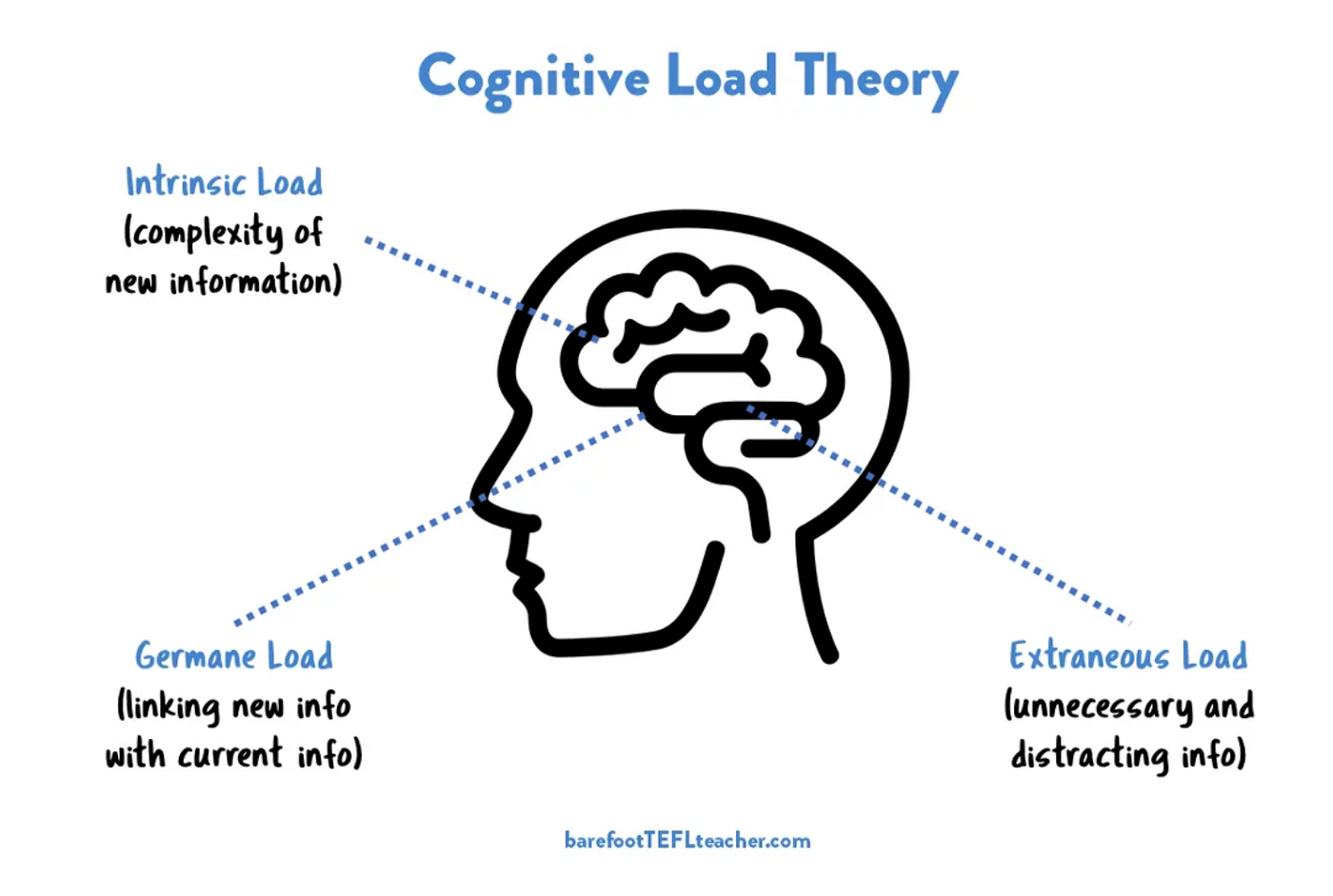
One of the core contributors to workflow fatigue is cognitive overload. When users are required to process too much information at once, or when tasks demand constant vigilance and decision-making, their mental resources become strained. In continuous interaction scenarios, such as online platforms, productivity tools, or interactive entertainment, repeated exposure to complex stimuli without adequate rest intervals compounds this strain. The brain, in its attempt to maintain performance, starts to prioritize efficiency over accuracy, often resulting in slower response times, errors, and decreased engagement. Cognitive fatigue can be exacerbated by poorly organized interfaces, unclear task hierarchies, or the absence of meaningful feedback, all of which force users to expend additional mental energy to interpret and act on the system’s signals.
Monotony is another key factor in workflow fatigue. Continuous repetition of similar actions or interactions can induce a sense of boredom, reducing motivation and diminishing performance. Even when the interface is visually engaging, if the underlying workflow lacks variation or progression, users may experience diminished alertness. This is particularly evident in platforms where procedural tasks are the core interaction, such as gaming systems, data entry software, or learning management systems. Designers can mitigate this by introducing subtle changes in task flow, interactive rewards, or visual cues that signal progression, keeping the user cognitively stimulated without overwhelming them.
Emotional fatigue is closely linked to cognitive fatigue but stems from the psychological experience of prolonged interaction. Users can develop frustration, stress, or anxiety when workflows are inefficient, error-prone, or lack transparency. For instance, an interface that requires frequent corrections or repeated confirmations can lead to irritation, reducing overall engagement and increasing the likelihood of user abandonment. Emotional fatigue can be counteracted by fostering a sense of control and predictability within the interaction. Features such as clear error messaging, intuitive navigation, and consistent behavior across tasks create a sense of reliability that lowers the mental and emotional burden.
Physical fatigue, while sometimes overlooked, also contributes to the overall experience of workflow strain. Extended periods of interaction with screens can lead to eye strain, discomfort in posture, and general physical weariness. In continuous interaction design, encouraging natural breaks through pacing, visual rest areas, or activity variety helps reduce the physical dimension of fatigue. Responsive layouts, scalable font sizes, and considerate contrast levels ensure that users are not inadvertently subjected to visual strain while performing necessary actions.
Temporal management plays a crucial role in mitigating workflow fatigue. Human attention operates in cycles, and interfaces that fail to align with these cycles risk overwhelming users. Continuous interactions without built-in intervals for mental rest are likely to result in diminishing returns, where extended engagement paradoxically reduces productivity and satisfaction. Techniques such as progressive disclosure, where information is revealed as needed, or micro-break prompts, which gently encourage pauses, can preserve attention and reduce cumulative fatigue. Additionally, analytics and user behavior tracking can inform designers of interaction patterns that lead to fatigue, enabling proactive adjustments to workflow pacing.
Feedback mechanisms are another essential tool in minimizing fatigue. Continuous interaction without confirmation of progress or success can make users feel their efforts are wasted, heightening cognitive and emotional strain. Providing immediate, clear, and contextually relevant feedback ensures that users understand the outcomes of their actions, reinforcing confidence and reducing unnecessary cognitive load. Visual indicators, progress bars, and adaptive notifications all contribute to a sense of accomplishment and orientation within the workflow.
Task complexity management is equally important. When workflows involve nested steps, conditional logic, or high-stakes decisions, fatigue can accumulate rapidly. Breaking tasks into smaller, manageable components, and offering optional guidance or assistance, preserves mental resources. Allowing users to prioritize or postpone less urgent tasks reduces the cognitive burden while promoting autonomy, which has been shown to enhance engagement and reduce stress.
Personalization further aids in mitigating workflow fatigue. Different users possess varying thresholds for attention, motivation, and cognitive capacity. Adaptive systems that respond to user behavior, preferences, and performance can modulate the intensity and pacing of interactions, reducing the likelihood of fatigue. For example, intelligent notifications that adjust frequency based on engagement patterns, or task recommendations that balance challenge with capability, maintain a steady level of stimulation without overtaxing the user.
Finally, fostering a holistic user experience that considers the cumulative impact of continuous interaction is critical. Workflow fatigue does not arise from isolated elements but from the interaction of interface design, task structure, temporal pacing, feedback, and user expectations. Evaluating workflows through the lens of cognitive ergonomics and psychological well-being ensures that systems support sustained engagement without compromising user health or satisfaction. Continuous iteration, user testing, and monitoring of engagement patterns allow designers to identify fatigue triggers early, enabling timely interventions.
In essence, workflow fatigue in continuous interaction is a multidimensional phenomenon, encompassing cognitive, emotional, and physical factors. By addressing information overload, monotony, emotional strain, and physical discomfort, designers can create systems that support long-term engagement. Through temporal management, effective feedback, task simplification, and personalization, users can navigate extended workflows with confidence, efficiency, and satisfaction. Recognizing that fatigue is an inevitable response to prolonged interaction, proactive design strategies turn potential disengagement into sustained, productive, and enjoyable user experiences.





Leave a Reply